

Diamond-cut wheels at German premium brands: why BMW, Audi and Mercedes rely on CNC
Diamond-cut wheels are the factory finish on M Sport, S line and AMG. How the process works, why polishing does not fix the damage, how to spot damage early and how the CNC repair runs.
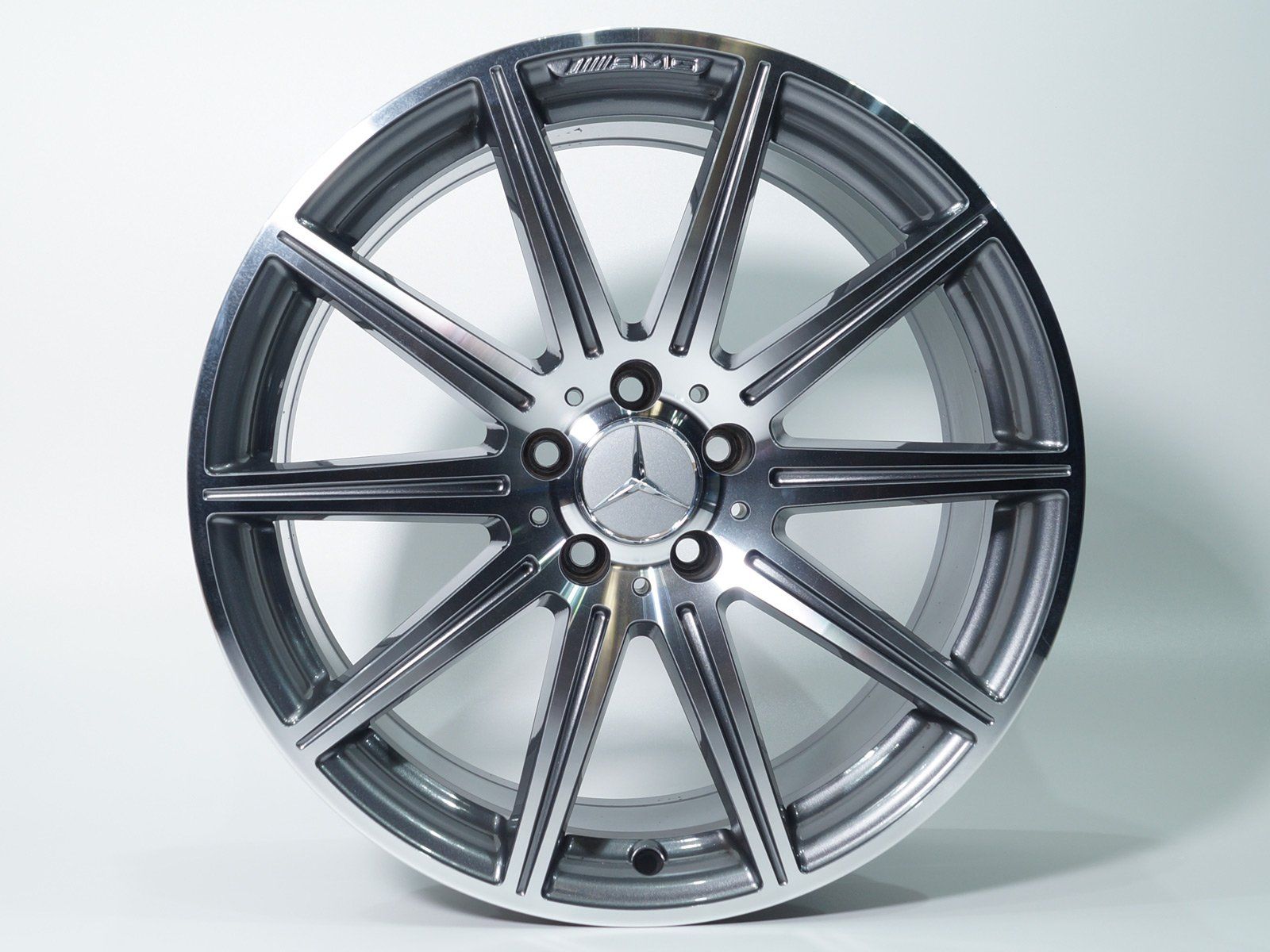
The metallic shine between painted spokes stopped being a tuning detail a long time ago. It is a factory finish, and it is the reason a damaged wheel cannot simply be polished back. Diamond-cut wheels are now among the most popular designs at German premium brands. And it is precisely this surface that puts workshops in front of a particular challenge, and vehicle owners in front of an important decision as soon as damage occurs.
Why premium manufacturers rely on CNC machining
At BMW this finish now appears in almost every M Sport line. The contrast between a darkly painted spoke star and a diamond-cut aluminium rim creates exactly the look buyers expect. At Audi the technique is used particularly often in the S line specification, at Mercedes it is a fixed part of many AMG packages. The common denominator: all three rely on CNC machining because it delivers a precision that classic painting or polishing cannot reach.
How the process works technically
The principle is easy to explain, but demanding to carry out: on a painted wheel, the front face is skimmed wafer-thin with a diamond tool. The aluminium underneath comes to the surface, shiny, precise, absolutely even. It is exactly this evenness that separates a factory finish from a subsequent polish. A CNC lathe follows a precisely programmed path of movement, while a polishing machine is guided by hand, with all the irregularities that brings with it.
What makes this surface so demanding to repair
The factory finish cannot simply be recreated
If a diamond-cut wheel is damaged, simple polishing is not enough. The structure of the surface is permanently changed in the process, and the typical gloss effect cannot be reproduced that way. Only renewed CNC machining brings back the original factory look:
- A CNC lathe removes the surface precisely and evenly in the micrometre range.
- The resulting light edge can only be reproduced through this level of precision.
- Every deviation is immediately visible in the finished result, even to an untrained eye.
Kerb damage is a particular risk
A simple piece of kerb damage does more harm here than on fully painted wheels. The thin clear coat over the bare aluminium is more sensitive; small amounts of damage affect the whole gloss pattern straight away.
How to spot the damage early
Not every kind of damage is immediately visible. Typical warning signs are:
- matt patches in the otherwise even gloss
- fine cracks in the clear coat, often only visible in direct light
- slight discolouration on the rim edge after contact with kerbs
- the first signs of oxidation, showing as a pale haze
Anyone who spots these signs early saves time and money on the later repair.
How a proper repair runs
In a professional reconditioning the wheel is first measured by 3D scan, a step many simple workshops skip. Then comes the actual CNC diamond cutting, exactly to the original factory dimensions. Finally, a clear coat seal protects the new surface against oxidation.
Why the order matters
This sequence is not a formality. If a step is skipped, the result often shows only months later, with uneven gloss or premature corrosion. Anyone having these wheels repaired should therefore ask specifically about the process, not only about the price.
Conclusion
Diamond-cut wheels have become standard at German premium brands, not by chance, but because only CNC technology delivers the precision required. And it is exactly this precision that makes the repair a job demanding experience and the right machine. Mainhattan-Wheels has been working on diamond-cut wheels for many years on its own CNC lathes.
Frequently asked questions
Why do BMW, Audi and Mercedes rely on diamond-cut wheels?
Because CNC machining delivers a precision that classic painting or polishing cannot reach.
Are diamond-cut wheels more sensitive than painted wheels?
Yes. The thin clear coat over the aluminium reacts more sensitively to kerb damage.
What does the CNC repair of a diamond-cut wheel cost?
On the market, between €100 and €250 per wheel depending on condition, size and the scope of work. At Mainhattan-Wheels, CNC diamond cutting costs €250 per wheel incl. VAT, with 3D scan, run-out check and acrylic coating (see price list).
How do I know whether my wheel is originally diamond-cut?
Usually from the manufacturer’s wheel designation in the vehicle documents; if in doubt, a professional assessment helps.