

Alloy wheel repair: which damage can really be fixed?
Kerb damage, scratches, paint damage and oxidation are easy to repair, slight deformation and diamond-cut surfaces only within limits, cracks and severe deformation not at all. Why the diagnosis decides.
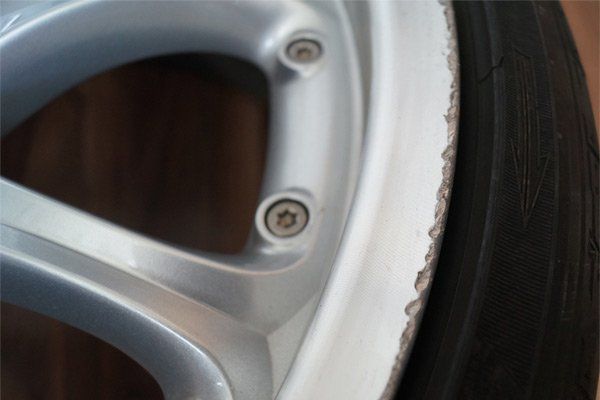
“The wheel looks terrible. Can anything still be done with it?” That question comes up in workshops almost daily. In many cases the damage looks worse than it actually is. A deep scratch from the kerb, flaking paint, perhaps a small dent: for many drivers that is immediately a reason to think the wheel is ruined. But a professional alloy wheel repair can do considerably more than most people expect.
What does alloy wheel repair mean?
Alloy wheel repair covers various processes with which damaged wheels are restored visually and in part technically as well. It is not only about appearance, but about bringing the wheel back into faultless condition. Typical measures are:
- removing scratches
- machining the surface
- painting, powder coating or sealing
- targeted rework where needed, for example CNC diamond cutting
Which method is used always depends on the damage.
Which damage can be repaired well?
1. Kerb damage
The classic case. Scratches on the outer edge of the wheel can be repaired well in most cases. The success rate is very high.
2. Superficial scratches
Light damage on the surface can usually be removed without difficulty, often with a very good visual result.
3. Paint damage
Flaking or damaged paint is renewed by recoating. Particularly worthwhile for purely cosmetic defects.
4. Oxidation and signs of wear
Older wheels often show discolouration or dull patches. These can be improved considerably by stripping, machining and recoating or polishing.
Which damage can only be repaired within limits?
5. Slight deformation
Small dents, radial run-out or lateral run-out can in many cases be corrected by wheel straightening. A precise inspection is decisive here.
6. Diamond-cut wheels
With these wheels a repair is possible but more demanding. The surface has to be re-machined on a CNC lathe. Not every workshop can do that cleanly.
Which damage can no longer be repaired?
7. Cracks in the wheel
Safety-relevant. A repair is not recommended and is not carried out at Mainhattan-Wheels.
8. Severe deformation
If the structure of the wheel is badly damaged, a repair becomes unsafe. Here it should always be checked whether replacement makes more sense.
| Damage | Repairable | Process |
|---|---|---|
| Kerb damage | yes | Sanding, filling, recoating |
| Superficial scratches | yes | Sanding, recoating |
| Paint damage | yes | Stripping, powder coating or painting |
| Oxidation | yes | Stripping, blasting, recoating |
| Slight deformation | within limits | Run-out repair after measurement |
| Diamond-cut surface | within limits | CNC diamond cutting |
| Cracks | no | Replacement |
| Severe deformation | no | Replacement |
Why the right diagnosis is decisive
The biggest mistake often happens at the very beginning: a decision is made without a proper inspection. A professional workshop does not just look at the damage, but assesses the condition of the material, the type of wheel, the load capacity and the limits of repair. This is exactly where “repaired somehow” parts company with “properly restored”. That is why Mainhattan-Wheels works with a structured wheel inspection before any decision is taken.
When an alloy wheel repair is worthwhile
A repair makes particular sense when
- the damage is predominantly cosmetic,
- there are no structural problems,
- the wheel is high-quality or expensive,
- replacement makes no economic sense.
In many cases repair is the considerably better solution.
What many people get wrong
A common misconception: the worse it looks, the less can be repaired. In practice the opposite is often true. Some damage looks drastic but is technically unproblematic. Other damage seems harmless but is critical. So the rule is: it is not the eye that decides, but the analysis.
Conclusion
A damaged wheel does not automatically mean the end. The possibilities of alloy wheel repair are greater than many expect. From scratches through paint damage to signs of wear, many problems can be fixed professionally. What matters is assessing the damage correctly and choosing the right method. In the end it is not only about appearance, but also about safety and quality. For an assessment, send us pictures via the request form.
Frequently asked questions
Can every alloy wheel be repaired?
No. Superficial damage usually yes, structural damage often not.
Is kerb damage repairable?
In most cases yes, especially when it is only superficial.
What does an alloy wheel repair cost?
That depends on the damage, but it is usually well below the price of new wheels. The fixed prices are listed in the price list.
How do I know whether my wheel can still be repaired?
Only through a professional diagnosis at a specialised workshop.