

Why high-quality wheels are damaged more often today than they used to be
Large wheel diameters, low-profile tyres and diamond-cut surfaces make modern wheels more sensitive. Why small damage gets expensive and when an early inspection pays off.
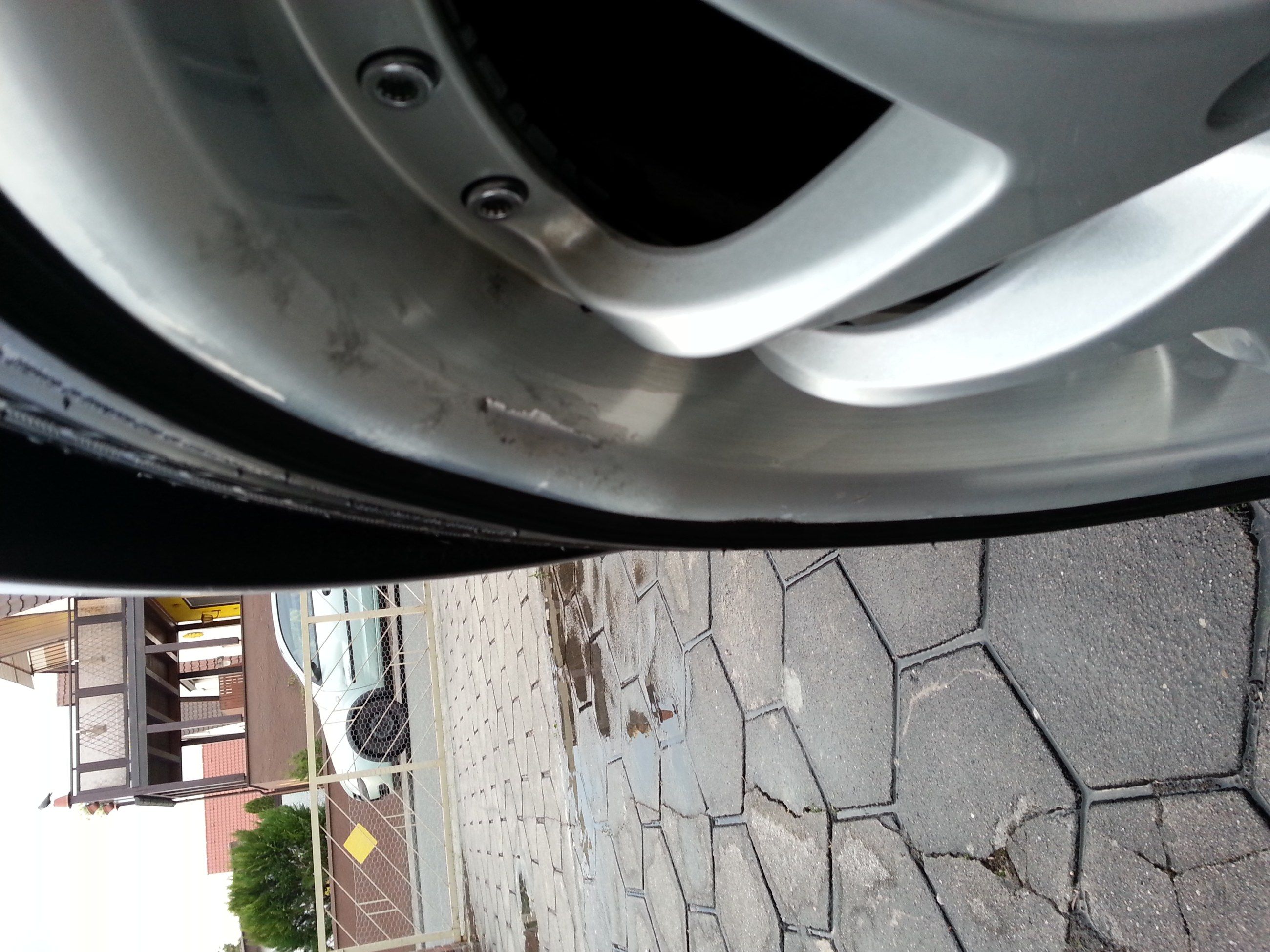
Why do even new premium wheels pick up damage faster today than older models? Many vehicle owners only ask themselves this question when the first kerb damage becomes visible and a small scratch turns into an expensive problem. Modern wheels look more upmarket than ever before, but in everyday use they react considerably more sensitively to stress. Large wheel diameters, low-profile tyres and diamond-cut surfaces mean that even small contacts leave visible marks straight away. The real problem often only begins afterwards: much wheel damage is recognised too late or assessed incorrectly, and as a result the effort and cost of repair rise considerably later on.
Why modern vehicles cause wheel damage more often
The causes lie not only in driving behaviour but above all in the development of current vehicles. Where 16 or 17 inch wheels used to be standard, large wheels with narrow tyre sidewalls dominate today. Visually that looks sportier and more upmarket. Technically it means less protection between the road, the kerb and the wheel. In city traffic in particular this leads to more frequent damage when parking, manoeuvring, driving over potholes and making contact with kerbs. Premium vehicles with large aluminium wheels react more sensitively here than older models.
Why diamond-cut wheels are particularly sensitive
A further reason lies in modern surfaces. Diamond-cut wheels have a precisely machined metal surface that looks particularly upmarket. It is exactly this structure that makes the wheel more sensitive to external influences. Even small scratches or stone chips change the surface visibly. At the same time such wheels react more sensitively to moisture, road salt and aggressive cleaning products. Specialised workshops therefore see damage to high-quality surfaces considerably more often today than they did a few years ago.
Why small wheel damage turns out more expensive than expected
A light scratch seems harmless. But this is exactly where bigger problems often develop later. If the surface is damaged, moisture and dirt penetrate the structure over time. In winter, salt and temperature swings intensify this effect. In practice it frequently turns out that it is not the original damage that causes the high costs, but the consequences afterwards. With high-quality or diamond-cut wheels, the effort and cost of repair rise considerably as soon as damage is ignored for too long.
Why quick repairs are not a long-term solution
Many people want damage fixed as quickly or as cheaply as possible. This is exactly where quality problems arise. Not every surface can be treated in the same way; modern aluminium wheels need precise machining and matching processes. If a repair is carried out incorrectly, visible differences in the surface, uneven gloss and reduced durability are the result. In many cases damage can be fixed professionally at an early stage before more involved repairs become necessary.
Why professional wheel repair has become more important
With modern vehicle designs, the demands on wheel repair are rising. What used to be possible with simple methods today requires more experience, diagnosis and technical precision. On premium vehicles the quality of the work determines appearance, retention of value and durability. That is why Mainhattan-Wheels works with a structured wheel inspection and modern machining technology in order to assess damage individually. The difference lies not only in the visible result, but above all in the long-term quality.
Why high-quality wheels influence the value of the vehicle
Wheels have long been more than a functional component. On premium vehicles they influence the overall impression and the perceived value of the vehicle considerably. Damaged wheels catch the eye immediately, even when the vehicle otherwise looks well cared for. With leased vehicles, when selling a car and with high-quality branded vehicles in particular, the condition and surface of the wheels play an important role. That is why many vehicle owners deliberately invest in professional wheel reconditioning instead of ignoring damage in the long term.
Have wheel damage checked early
Much small damage can be fixed more easily and more economically when it is recognised early. A professional assessment shows which work makes sense, whether a repair is possible and how consequential damage can be avoided. With high-quality or diamond-cut wheels in particular, an early analysis is considerably more worthwhile than a complete repair later. Send us pictures via the request form.
Conclusion
The fact that modern wheels are damaged more often today is no coincidence. Vehicle designs, larger wheel diameters and more sensitive surfaces have changed the everyday stresses considerably. The real challenge lies not in the damage itself, but in dealing with it correctly. Anyone who has small damage assessed early saves money in the long term and preserves the quality of high-quality wheels.
Frequently asked questions
Why does wheel damage occur more often today than it used to?
Because modern vehicles have larger wheels and lower-profile tyres, which offer considerably less protection.
Why are diamond-cut wheels particularly sensitive to kerb damage?
The openly machined surface reacts more sensitively to scratches, moisture and mechanical stress.
Can small wheel damage cause bigger problems later?
Yes. Damaged surfaces continue to be attacked over time by moisture, dirt or salt.
When is a professional wheel repair worthwhile?
With high-quality aluminium wheels or diamond-cut surfaces in particular, a repair is considerably more worthwhile than a replacement later.