

Diamond-cut or painted wheels: which surface makes more sense in the long run
Diamond-cut wheels look more premium, painted wheels are tougher in daily use. How both surfaces react to kerbs, salt, cleaning and winter driving, and which suits which car.
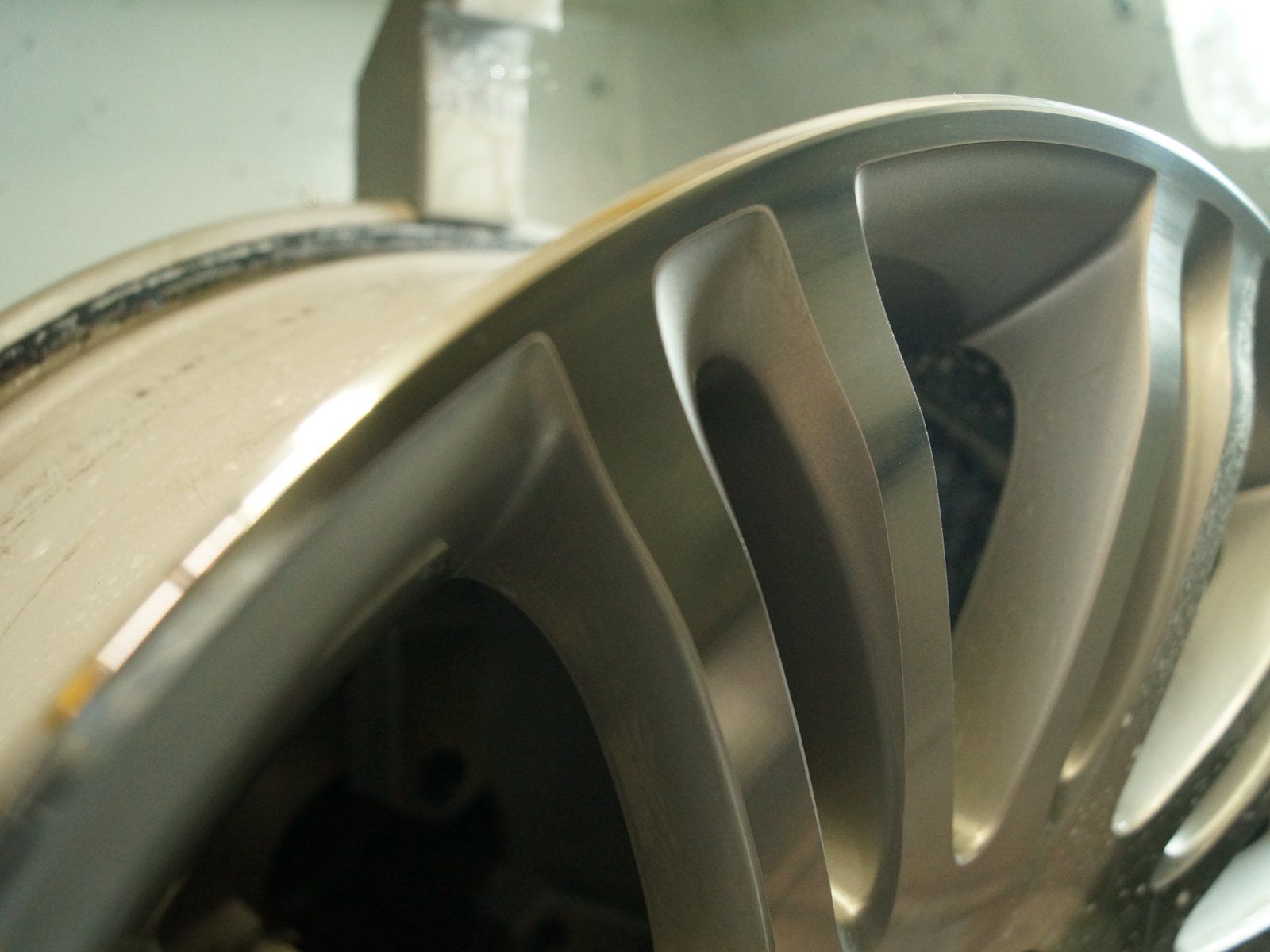
Most people choose their wheels on looks first. The real question usually comes later: which surface stays beautiful over the years, and which one turns into a problem faster? This is exactly where diamond-cut and painted wheels differ far more than most expect. What looks almost identically premium in the showroom reacts very differently in daily use to kerbs, road salt, moisture, cleaning and winter driving. Choosing a surface is therefore not just a design decision but a question of care, durability and residual value.
Why diamond-cut wheels have become so popular
Diamond-cut wheels, often simply called diamond-cut or “diamond turned”, are among the most popular surfaces on modern premium vehicles. The finish looks more precise, more valuable and more modern than a classic paint job. The fine machining creates a characteristic light reflection that becomes especially visible in sunlight or when the car is moving. Manufacturers of premium, sports and performance cars in particular now use these surfaces more and more.
Why painted wheels are often tougher in everyday use
Painted wheels have a closed protective layer that reacts less sensitively to small external influences. With kerb contact, moisture, road salt and aggressive cleaning, damage often appears more slowly or is less visible. That is why painted wheels are considered easier to look after and more resistant in daily service.
Why diamond-cut wheels react more sensitively
The biggest difference does not show in the looks but in the reaction to damage. Diamond-cut wheels have an openly machined metal structure that is then protected with clear coat. If this surface is damaged, the play of light changes visibly straight away. Even small scratches cause differences in gloss, matt patches and visible transitions. This becomes particularly problematic in winter: moisture and salt attack the surface faster than on painted wheels. Specialist workshops therefore see damage to diamond-cut surfaces far more often today.
Comparison at a glance
| Criterion | Diamond-cut | Painted |
|---|---|---|
| Look | metallic shine, light edge, factory finish on premium models | even, wide choice of colours |
| Sensitivity | high to kerbs, salt, aggressive cleaners | lower, closed protective layer |
| Care effort | regular, pH-neutral | low |
| Repair | only by renewed CNC diamond cutting | sanding and recoating |
| Winter use | only with careful maintenance | unproblematic |
Why many owners underestimate the care required
A common misconception: a wheel is a wheel. In practice, diamond-cut surfaces need considerably more attention. While painted wheels forgive smaller stresses more easily, diamond-cut versions react more sensitively to aggressive cleaners, infrequent washing, winter driving and mechanical loads. That does not mean they are unsuitable, but how they are treated has a much stronger influence on how they look in the long run.
Which surface is more economical over time
Many people only look at the purchase price of the wheel. In the long run, care effort, susceptibility to damage, reconditioning costs and the durability of the surface matter more. Painted wheels are often cheaper to run because smaller damage is less noticeable and easier to work on. Diamond-cut wheels, on the other hand, look more premium and have a stronger influence on the appearance of the car, especially on premium vehicles. Which solution makes more economic sense depends on how the car is used, how important the looks are and how carefully the wheels are maintained.
Why repairs to diamond-cut wheels are more demanding
Painted wheels can usually be worked on or resprayed fairly easily. With diamond-cut surfaces it is not just about colour or gloss but about the precise structure of the surface itself. If this is not machined correctly, visible differences in light reflection and gloss appear. That is why Mainhattan-Wheels works with processes matched to high-quality wheel surfaces for CNC diamond cutting. You will find the prices for both options in the price list.
The decision depends on the type of vehicle
On premium vehicles, sports cars and show cars, diamond-cut wheels play their visual advantages to the full. For daily use, winter driving and high mileage, painted wheels can be more practical in the long run. The decision should therefore start from the usage profile, not from the looks alone.
When diamond-cut wheels are still the better choice
Despite their greater sensitivity, many people deliberately choose diamond-cut wheels because they clearly lift the appearance of the car. On modern premium models they are almost part of the vehicle’s design concept. Anyone prepared to invest a little more care and attention gets a surface with a far stronger visual impact in return.
Conclusion
Diamond-cut wheels look more modern, more premium and more exclusive, but they react more sensitively to everyday influences. Painted wheels are tougher and easier to maintain, yet visually they do not always achieve the same effect. Which solution makes more sense in the long run depends on how the car is used, how important the looks are and how much care is realistic. In the end it is not only the surface that decides how long it lasts, but the way it is treated.
Frequently asked questions
Are diamond-cut wheels more sensitive than painted wheels?
Yes. They react more sensitively, especially to kerb damage, salt and moisture.
What are diamond-cut wheels?
Wheels with a precisely machined metal surface.
Which wheels are easier to look after?
Painted wheels are considered tougher and easier to maintain in daily use.
Is diamond cutting worth it on premium vehicles?
Yes, especially where a high-quality look and design matter.