

Diamond-cut wheels in winter: risks, care and tips
Road salt, moisture and temperature swings attack diamond-cut surfaces slowly and quietly. How to spot the first damage, how to clean them properly and why a separate set of winter wheels makes sense.
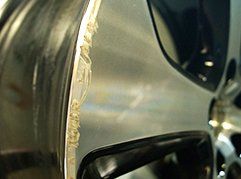
In summer, diamond-cut wheels look like a highlight: crisp, precise, high-quality. But in winter that very surface becomes the weak point. The damage does not happen suddenly. It builds slowly, often unnoticed. Only weeks later does it become visible that the surface is losing its original shine. Anyone who understands why this happens can prevent damage before it occurs.
Why diamond-cut wheels are especially sensitive in winter
Diamond-cut wheels have an openly machined metal surface that is then protected with clear coat. This combination creates the typical light edge and the premium look. Compared with fully painted wheels, this structure is more vulnerable to external influences. As soon as the protective layer is stressed, the surface reacts more sensitively to environmental factors. In winter this weak point becomes visible, not immediately, but gradually.
Which winter influences attack the surface
The stress comes from several influences working together:
- Road salt acts like a catalyst, accelerating chemical processes and attacking the surface over time.
- Moisture reinforces this effect.
- Temperature swings put additional strain on the material.
This combination means that even small, initially invisible changes grow over time. The result often shows only later: matt patches, loss of clarity or the first signs of corrosion under the clear coat.
How the first damage makes itself known
Much of the damage develops under the surface and stays unnoticed for a long time. Only once the structure changes does the difference become visible. The wheel then no longer looks even, the gloss appears less deep, individual areas stand out visually. And this is exactly the moment that is often misjudged: many people take it for dirt. In reality the surface has already reacted.
Proper care in winter
The decisive point is not perfection but regularity. Anyone who cleans their wheels consistently through the winter removes aggressive residues before they can take long-term effect. This is less about looks than about protection.
- clean regularly, especially after driving on salted roads
- pH-neutral wheel cleaners, no acidic products
- soft cloths and sponges, no hard brushes
- never aim a pressure washer directly at the light edge
- apply a sealant before winter
Products that are too aggressive put additional strain on the surface. Gentle care helps preserve the structure. In many cases it is exactly this difference that decides whether the wheel gets through winter without visible changes.
Why many owners switch to winter wheels
One approach that has proved itself in practice is separating summer and winter wheels. Diamond-cut wheels are deliberately spared, while tougher painted or powder-coated wheels are used in winter. This decision is less a question of comfort than a measure to protect value. On high-quality vehicles it is clear that this step reduces costs in the long run and considerably extends the life of the wheels. Our tyre service handles the changeover and storage.
What to do if the wheels show damage after winter
If the first changes appear, do not wait too long. The sooner a professional assessment is made, the better consequential damage can be avoided. The deeper the changes work their way into the surface, the more involved the later repair becomes. Mainhattan-Wheels analyses the condition of the wheel and decides which measures make sense. Where there is corrosion under the clear coat, renewed CNC diamond cutting is the way back to the original surface.
Conclusion
Diamond-cut wheels are not fundamentally unsuitable for winter, they simply demand a more conscious approach. The combination of salt, moisture and temperature can change the surface over time. Anyone who understands these influences and reacts accordingly avoids many problems. In the end it is not winter itself that decides the condition of the wheel, but the way it is handled.
Frequently asked questions
Are diamond-cut wheels suitable for winter?
Yes, although they are more sensitive and need more care than classic wheels.
Why is road salt such a problem?
Because in combination with moisture it attacks the surface over time.
How often should wheels be cleaned in winter?
Regularly, especially after contact with salt and dirt.
Does a separate set of winter wheels make sense?
Yes, especially with high-quality wheels it avoids damage in the long run.