

Caring for premium wheels properly: why the wrong cleaning does more damage than you think
Aggressive cleaners, hard brushes and neglected winter care damage high-quality wheels little by little. What diamond-cut and painted surfaces react to and how to look after them properly.
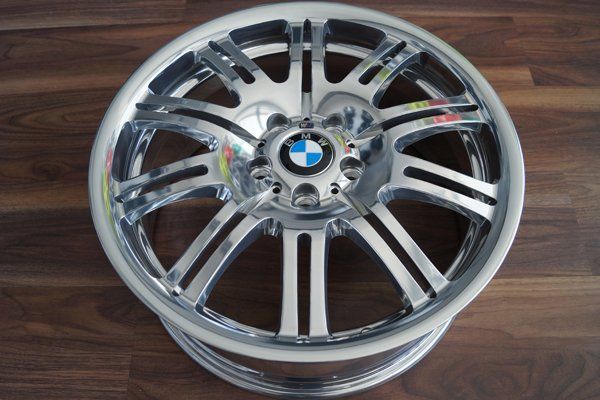
Most damage to premium wheels does not happen on the road but on the driveway at home. Not through potholes or kerbs, but through the wrong cleaning: aggressive cleaners, hard brushes, too little care in winter. Or exactly the opposite, too much well-meant care with unsuitable products.
The problem with that: much of the damage is not visible at first. The surface slowly loses its quality until at some point the gloss, the structure or the protective layer no longer works as it did. With high-quality aluminium wheels and diamond-cut surfaces in particular, it is therefore not only the use that decides the condition of the wheel, but above all the way it is treated.
Why premium wheels react more sensitively
Modern premium wheels differ considerably from classic standard wheels. Many high-quality surfaces have special paint layers, diamond-cut areas, sensitive metal structures and multi-layer sealants. These surfaces look more premium but react more sensitively to chemical or mechanical stress. Incorrect cleaning can cause more damage in the long run than normal everyday use.
Aggressive wheel cleaners
Faced with heavy soiling, many people automatically reach for particularly aggressive cleaners. Strong chemical products do dissolve brake dust and dirt quickly, but they often attack the protective layer of the wheel as well. Diamond-cut wheels, polished surfaces and high-quality clear coats are affected most. The consequences appear gradually: dull gloss, patchy surfaces, visible changes in the structure. Many vehicle owners only notice them months later.
The wrong brushes and tools
It is not only the chemistry that matters. Hard brushes or unsuitable cleaning aids create fine micro-scratches. On dark or diamond-cut wheels in particular these become visible later. The surface looks clean at first but gradually loses its even play of light.
Brake dust and salt
A common misconception is that dirt is only a cosmetic problem. In reality brake dust, salt and moisture attack the surface over time. In winter especially, a combination arises that puts premium wheels under real strain: road salt, moisture, temperature swings and aggressive contamination. If the wheel is not cleaned for a long period, protective layers can be damaged. Diamond-cut wheels react particularly sensitively to this.
Proper care
- use a pH-neutral wheel cleaner, no acidic products
- soft microfibre cloths and sponges instead of hard brushes
- never aim a pressure washer directly at freshly painted or diamond-cut surfaces
- clean regularly, especially after contact with road salt or heavy brake dust
- apply a sealant after refurbishment and renew it before winter
Why regular care is cheaper in the long run
Many people see care as purely cosmetic effort. In fact it directly affects durability, susceptibility to damage and residual value. Small surface defects often only develop into visible problems later. Anyone who cleans regularly and gently reduces the long-term need for involved wheel refurbishment or wheel repair.
Diamond-cut wheels need particular attention
Diamond-cut wheels look especially premium but react more sensitively to the wrong care. The openly machined surface changes its play of light with even small damage or matt patches. Micro-scratches, chemical changes and matt areas stand out far more quickly than on classic painted wheels. Once the surface is damaged, it can only be restored by renewed CNC diamond cutting.
Why many care mistakes only show up late
The insidious thing about the wrong wheel care is that the consequences develop slowly. Many surfaces continue to look clean or shiny at first. Only later do matt areas, differences in gloss, damaged protective layers and uneven surfaces appear. That is often when it becomes clear the real cause was not the road but the way the wheel was treated.
Conclusion
Premium wheels do not need aggressive cleaning, they need the right cleaning. Most damage to high-quality wheels does not happen suddenly but through the wrong habits over a longer period. Anyone who wants to keep high-quality wheels in good condition long term should pay attention not just to cleanliness but above all to the kind of care used. Where damage is already visible, an assessment via the request form will help.
Frequently asked questions
Why are aggressive wheel cleaners a problem?
Because they attack protective layers and sensitive surfaces over time.
How often should premium wheels be cleaned?
Regularly, especially after contact with salt, brake dust or heavy soiling.
Are diamond-cut wheels more sensitive?
Yes. Their surface reacts more sensitively to chemical and mechanical stress.
Can the wrong cleaning cause wheel damage?
Yes. Micro-scratches, matt patches and damaged protective layers are often caused by unsuitable care.