

Lease returns and wheel damage: when small scratches get expensive
Why wheels are inspected so closely at a lease return, why cheap repairs stand out and when a professional refurbishment costs less than replacement.
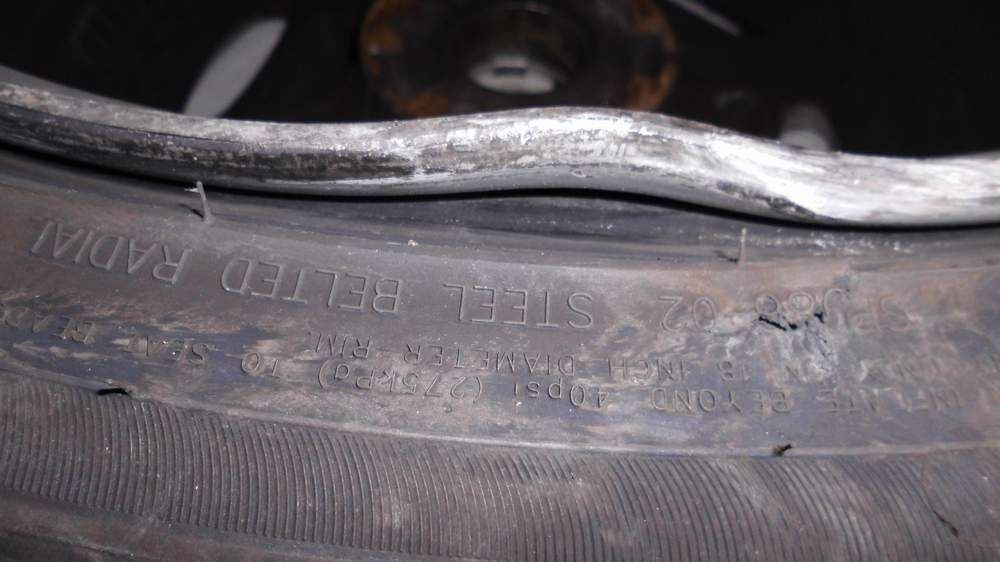
The scratch on the wheel barely registers in everyday driving. At the lease return it suddenly does. For months the damage looks harmless, until the car is handed back and a small blemish turns into unexpected extra costs. On modern lease vehicles, damaged wheels are among the most common reasons for additional charges. What looks to the driver like normal wear and tear is assessed far more strictly at handover.
Why wheels are inspected so closely at handover
With lease vehicles it is not only technical function that counts but above all the visual condition. Wheels play a bigger part in that than most people assume. On premium vehicles in particular they have a considerable influence on the overall impression. Small kerb damage, scratches or damaged surfaces stand out immediately at handover, especially on diamond-cut or large aluminium wheels. Many leasing companies no longer classify such damage as normal wear and tear. Instead, additional costs arise for repair, refurbishment or even the replacement of individual wheels.
Why modern lease vehicles are affected more often
Large wheels, low-profile tyres and sensitive surfaces mean damage becomes visible far more quickly today than it used to. Diamond-cut wheels, diamond-cut surfaces and high-quality aluminium wheels are affected most. Even light contact with a kerb causes visible changes that are spotted immediately during the vehicle inspection. In town traffic such damage often happens without the driver noticing, while parking or manoeuvring.
Why small wheel damage is underestimated
Many vehicle owners assume a small scratch will not be noticed at handover. In practice the opposite is true. On high-quality wheels it creates differences in gloss, visible light edges and damaged protective layers. If the damage is not dealt with early, the surface changes further through moisture, dirt or road salt. The work involved and the cost then rise considerably.
Replacement or repair
Many lessees wait too long and find themselves facing the decision shortly before handover: repair or replace? New original wheels for modern premium vehicles quickly cost several hundred euros each. Diamond-cut wheels or special models are often considerably more. In many cases a professional wheel repair makes far more economic sense, provided the damage is identified early. As a guide: at Mainhattan-Wheels CNC diamond cutting costs €250 and powder coating €175 per wheel incl. VAT (see price list).
Why cheap solutions are risky on lease vehicles
Shortly before handover many people try to have damage put right as cheaply as possible. That is precisely what often leads to further problems. On high-quality wheels, poor repairs stand out particularly quickly: differences in gloss, surface, structure and colour become visible under close inspection. Leasing companies now pay far more attention to the quality of the repair than they did a few years ago. That is why Mainhattan-Wheels relies on structured diagnosis and the process that suits the damage rather than on quick standard solutions. With lease vehicles what counts is not that the wheel looks better, but that the surface looks as close to original as possible. On diamond-cut wheels that means CNC diamond cutting, on painted wheels a coating in the original colour.
How a professional refurbishment reduces lease costs
A professional wheel refurbishment does not only help visually, it also avoids unnecessary handover costs. Kerb damage, scratches, damaged surfaces and diamond-cut wheels can be dealt with far more economically than through complete replacement. Timing is what matters: the earlier the damage is assessed, the better the options for a high-quality repair.
What many lessees only notice too late
Before handover, most people concentrate on paintwork, interior and mileage. The wheels are often only considered at the last moment. That is exactly what makes them one of the most common cost items when the vehicle is returned. While small paint defects are less noticeable, damaged wheels are visible straight away, especially on high-quality vehicles.
Have wheel damage assessed before handover
Anyone who checks early avoids a lot of unnecessary cost. A professional assessment shows which damage is relevant, which repair makes sense and whether a refurbishment is more economical than replacement. Send us pictures of your wheels through the request form and you will receive an assessment with a fixed price.
Conclusion
What looks harmless in everyday use is judged far more critically at a lease return. Modern aluminium wheels and diamond-cut surfaces react more sensitively to small damage, and it is exactly that damage which stands out during the vehicle inspection. Anyone who acts early and opts for professional wheel work avoids high extra costs and preserves the value of the vehicle.
Frequently asked questions
Is small wheel damage charged for at lease returns?
Yes. Visible kerb damage or damaged surfaces in particular often lead to additional costs.
What does a wheel repair before a lease return cost?
That depends on the damage and the type of wheel, but it is usually considerably cheaper than replacement. The fixed prices are in the price list.
Are diamond-cut wheels more of a problem on lease vehicles?
Yes. These surfaces react more sensitively and damage stands out more quickly.
Is a professional wheel refurbishment worth it before handover?
In many cases yes, especially with high-quality or damaged wheels.